A new roof brings relief: sealed leaks, improved curb appeal, a reset on maintenance. But warranties are where the relationship between homeowner and contractor can get complicated. Warranties promise protection, yet their terms, triggers, and execution vary widely. Having worked in residential roofing and managed dozens of warranty responses, I will walk through how roofing companies actually handle claims on new roofs, what homeowners should expect, and where the common friction points appear.
Why warranties matter now A warranty is more than marketing copy. For most homeowners the price of a new roof represents a significant investment — depending on materials and region it can range from a few thousand dollars for a modest asphalt shingle roof to tens of thousands for architectural shingles, metal, or steep-slope tile. That price of a new roof factors into resale value, insurance conversations, and homeowner peace of mind. When problems arise, a warranty determines whether the issue is a covered defect, a maintenance failure, or something caused by external forces like hail or fallen branches.
Types of warranties you will encounter Manufacturers and roofing companies offer distinct guarantees. Manufacturer warranties typically cover the roofing material itself — for shingle manufacturers this can be prorated or non-prorated, limited to specific defects, and often tied to proper installation. Roofing company or contractor warranties cover workmanship, which means how the roof was installed: flashing, underlayment, ventilation, and fastener placement.
Consider a common scenario: a homeowner discovers granule loss and streaking on shingles two years after installation. The manufacturer might offer a materials warranty that covers premature granule loss attributable to a shingle defect. The contractor’s workmanship warranty would not cover a defective product, but it would apply if improper nailing or ventilation caused accelerated wear. Both warranties can overlap, and both organizations may be involved in the claim process.
How roofing companies prepare for claims the day they install your roof Good contractors install with the future claim in mind. Documentation practices matter. A reputable company will take photos of the roof before, during, and after installation, record the exact shingle type and lot number, document ventilation and flashing details, and keep signed change orders. Those materials are the first line of defense when a homeowner reports an issue.
I remember a case where a homeowner called six months after completion complaining about curling at the eaves. The crew lead had photographed the eave detailing and noted that the synthetic underlayment had been used and that starter shingles were applied per manufacturer instructions. Those photos allowed the company to show the manufacturer that installation met spec, which shifted responsibility to the product supplier rather than the roofing crew. That documentation shortened the claim resolution to three weeks rather than months.
Initial steps when a claim comes in When a homeowner files a claim, a competent roofing company follows a predictable path. First, they log the claim and check warranty terms. Warranties vary by duration and conditions; a workmanship warranty might last two to ten years depending on the contractor, while materials warranties can extend 20 to 50 years. Next, the company schedules an inspection. Inspections may be done by the contractor, the manufacturer, or a shared third party depending on the claim and contract language.
Inspections New roof cost are not always a rooftop climb. A roof repairman may perform a visual walk-around and attic inspection to confirm leaks, check for staining and moisture, and verify ventilation. Contractors often use moisture meters, infrared imaging, and attic inspections to determine whether the source of a leak is roofing related or tied to interior plumbing or HVAC conduits. Accurate diagnosis matters because misattributing damage can void warranty coverage.
Documentation and escalation During inspection, the crew documents findings in photos and written notes, identifying the nature of the problem, its likely cause, and any immediate mitigation required. If water is actively entering the home, the company will often perform a temporary patch or tarping to prevent further damage while the claim is reviewed. Temporary measures do not necessarily mean admission of long-term liability, but they prevent secondary damage and are considered best practice.
If the cause appears to be a product defect, the contractor typically contacts the manufacturer. Manufacturers have their own claim processes. They may request sample shingles, photos, and installation records. Some manufacturers require a field representative to inspect before approving any material replacement. This can feel like red tape to homeowners, but manufacturers need to verify product issues, especially when warranties can involve substantial material costs.
How manufacturers and contractors split responsibility Manufacturers and roofing companies often have overlapping but distinct responsibilities. Material replacement is usually the manufacturer’s obligation, while labor to remove old materials and install replacements can fall to the contractor. However, contractual language can shift those responsibilities. For example, some manufacturer warranties explicitly include “non-prorated” replacement for certain periods, but labor costs remain the homeowner’s responsibility unless the contractor provided a labor guarantee.
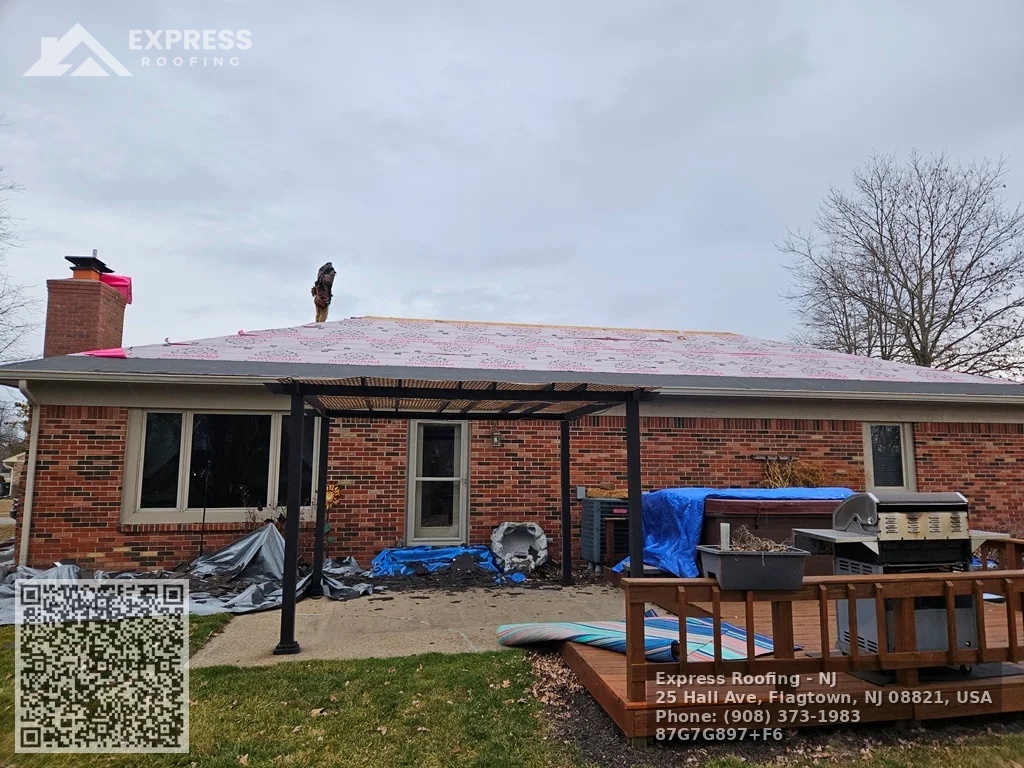
Here is a practical scenario: a wind event damages shingles on a new roof within a manufacturer’s non-prorated period that covers material defects caused by wind uplift. The manufacturer may agree to ship replacement shingles, but the roofing company must bill for the labor to remove wind-damaged shingles and replace them. If the contractor’s workmanship warranty covers wind-related installation failure, they might absorb the labor cost. Always check both warranties before assuming who pays what.
Timelines and expectations for repairs Timelines vary by case complexity. Simple material-only approvals can take two to four weeks for manufacturer review and shipment. Complex claims requiring field samples, testing, or engineer involvement can take months. If a roof repairman is busy during high season, scheduling can push repairs further. Homeowners should expect communication — a good contractor will provide an estimated timeline and update you when new information arrives.
During high-claim periods, like after major hailstorms, manufacturers and roofing companies are overwhelmed. Claims can be delayed not because of bad faith but due to capacity limitations. In those times, patience and proactive communication help. Ask the contractor for a written status, expected next steps, and any mitigation you should take in the interim.
Common reasons claims are denied Claims fail for several typical reasons. Improper maintenance is frequent. Warranties rarely cover issues caused by neglect, such as clogged gutters, moss growth, or failure to repair minor damage before it worsens. Home modifications are another common denial reason: rooftop equipment installed by third parties, like satellite dishes or HVAC units, can void sections of the warranty if not handled correctly.
Misuse of the roof — walking on shingles outside designated areas, storage of heavy equipment, or unapproved repairs by nonlicensed contractors — often voids coverage. Sometimes warranty language excludes consequential damage like interior finishes, even when the exterior failure is covered. Read warranty fine print and ask the contractor for plain-language clarification before signing.
When a claim is approved: logistics and quality control Once a claim is approved, the contractor coordinates material procurement and schedules work. For material-only approvals, the roofing company may order matching manufacturer shingles. Match is not always straightforward. Manufacturers change colors and granule formulations, so an identical match may be impossible even for newer roofs. Contractors explain this upfront and, when necessary, offer options such as patching visible sections, replacing whole roof areas for a better color match, or mixing batches to minimize variance.
Quality control on the repair matters. A pannable patch can be a temporary fix but may leave the homeowner unsatisfied. I advise homeowners to insist on a clear scope of work that states whether repairs will be localized or involve full roof replacement. Ask for the crew’s qualifications, confirmation of proper flashing replacement, and a final inspection. A reputable company will provide a warranty on the repair work itself.
Costs and who pays what Cost responsibility splits into materials, labor, and consequential damage. When the manufacturer accepts liability for material defect, they typically cover the replacement shingles at no charge, sometimes including shipping. Labor costs may be covered by the contractor if their workmanship warranty applies or if they provided a labor-inclusive warranty upfront. Otherwise, homeowners may be responsible for labor. Insurance involvement is a separate track: if damage results from a covered peril like hail, homeowners often file an insurance claim and insurers coordinate with roofing companies and manufacturers.
Expect clear invoices that separate material charges, labor charges, and any outside fees. If a manufacturer issues a credit memo or replacement materials, ask the contractor for documentation showing how that reduces your out-of-pocket obligation. Avoid verbal promises; get things in writing.
Disputes and escalation Not all claims resolve smoothly. When disputes occur, they often hinge on interpretation of warranty language. If the contractor denies responsibility and the manufacturer denies a materials defect, homeowners can ask for independent appraisals or engage a licensed roofing inspector. Many local building departments or consumer protection agencies offer mediation services for construction disputes.
Legal action is a last resort and can be expensive. Often the fastest path to resolution is documentation. Keep every email, photograph, receipt, and signed change order. A photograph timeline that shows preexisting roof condition, installation day pictures, and the problem as it emerged makes an investigator’s job far easier.
Practical advice for homeowners before a claim becomes necessary 1) Keep everything: warranties, invoices, shingle labels, and installation photos. If you cannot find them, ask the roofing company for copies. Manufacturers will often request the original invoice or proof of purchase when processing a claim. 2) Perform simple maintenance annually. Clean gutters, remove debris, trim overhanging branches, and inspect for missing shingles after storms. Warranty language often requires reasonable maintenance; meeting that expectation removes avoidable denials. 3) Understand what your warranty covers and what it excludes. Ask the contractor to walk through the warranty line by line and clarify labor versus material coverage. If a contractor offers a separate workmanship warranty, get the duration and coverage in writing. 4) Document problems early. At the first sign of granule loss, buckling, or interior staining, photograph the area, note dates, and contact your contractor. Early reporting can prevent secondary damage and speeds up the claim process. 5) Ask about manufacturer registration. Many manufacturers require roofs be registered with them after installation to activate certain warranty periods or to ensure non-prorated coverage. Confirm that registration was completed.
A realistic checklist for filing a claim
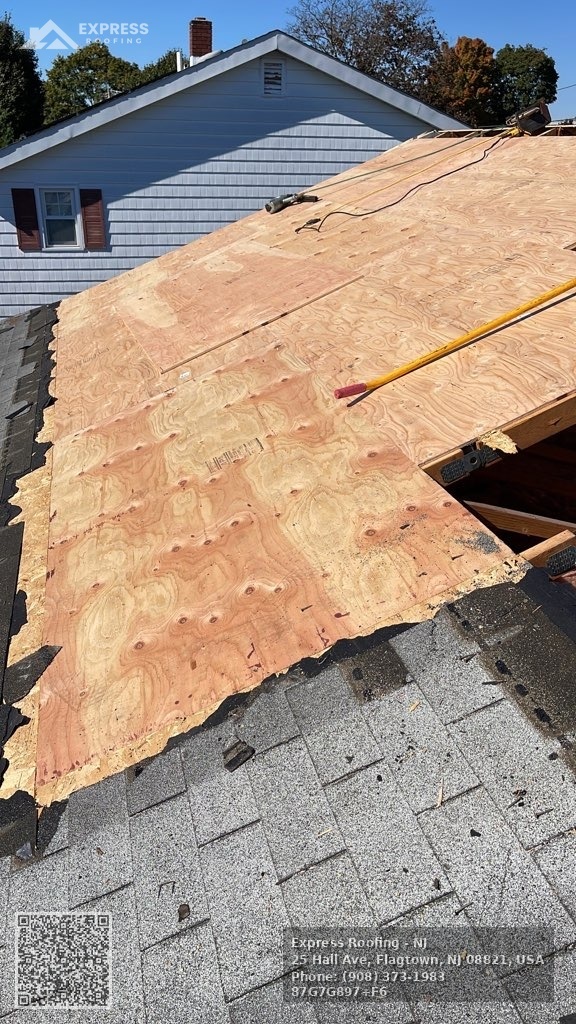
- Gather your installation invoice, warranty documents, and any photos taken during installation. Photograph the problem from multiple angles, inside and out, and note the date you first observed the issue. Contact your roofing company to report the problem, provide documentation, and request an inspection. Follow the contractor’s instructions for temporary mitigation, and request a written timeline for inspection and repair. Keep copies of all correspondence and any approvals from the manufacturer or insurance carrier.
Edge cases and trade-offs Some homeowners prioritize minimal disruption and accept partial repairs that match closely enough. Others want perfect color match and insist on entire-roof replacement when a few shingles fade. There is a trade-off between cost and continuity. Replacing an entire roof can be expensive relative to repairing small areas, but it guarantees uniform appearance and resets warranty clocks for installed materials and labor.
Another edge case involves older roofs with transferable warranties. Some manufacturers allow warranty transfer to a new homeowner, sometimes with a transfer fee. If resale is planned, check whether the roofing company’s workmanship warranty transfers and what conditions apply. Buyers often request proof of warranty transfer during escrow, so be prepared with the registration number and contact information.
How roofing companies use warranty performance as a business metric From the contractor’s perspective, warranty claims are a cost and a reputation metric. High claim rates can indicate poor installation practices or substandard crew training. Good roofing companies track warranty claim frequency per 100 roofs installed, analyze root causes, and adjust training or supplier relationships accordingly. That’s why experienced contractors invest in crew certification, factory-backed training, and tighter quality control — preventing frequent claims is cheaper and better for reputation than fighting them later.
How to choose a contractor with realistic warranty practices Ask potential contractors how they handle warranty claims before you sign. Request examples of past claims, ask how quickly they respond, and whether they have an internal warranty coordinator who deals with manufacturers. Contractors who hand you a glossy warranty brochure but cannot explain the claims process are less reliable than those who can walk you through recent claim examples and show documentation.
Also, pay attention to the warranty duration and what it covers. A longer workmanship warranty generally indicates confidence in quality; however, check whether it is insured or backed by a third party. Some contractors offer lifetime labor warranties but are small operations without assets; if they close or are acquired, a warranty might become unenforceable. Prefer contractors with bonded warranties or those affiliated with larger networks that survive personnel changes.
Final considerations Warranties work best when expectations are clear from the outset and when both homeowner and contractor document the roof’s condition and the installation steps. Roofing companies handle claims through a mixture of inspection, documentation, manufacturer liaison, and practical repairs. The process can be simple and fast for straightforward material defects, or it can involve months of coordination for complex or disputed claims.
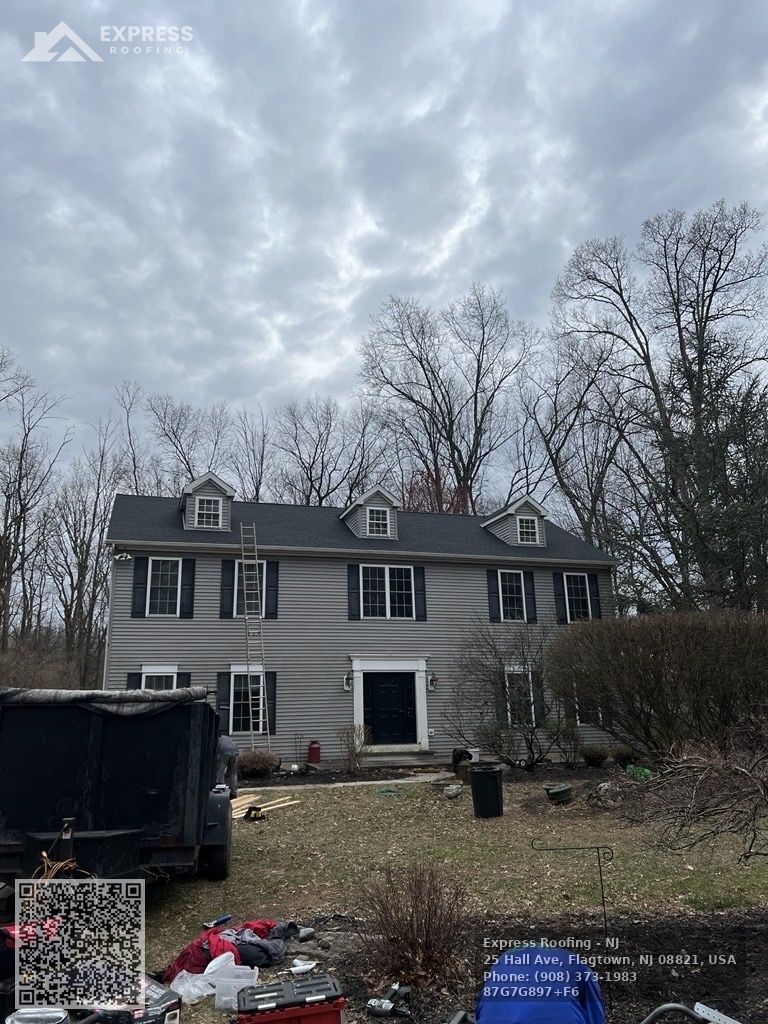
If you face a warranty issue, be methodical: document, notify your contractor promptly, and keep thorough records. If you are shopping for a new roof, consider the interplay between the new roof cost, the quality of installation, and the warranty terms. Sometimes paying more up front for a reputable contractor and a robust workmanship warranty prevents far greater expense and frustration down the road.
Express Roofing - NJ
NAP:
Name: Express Roofing - NJ
Address: 25 Hall Ave, Flagtown, NJ 08821, USA
Phone: (908) 797-1031
Website: https://expressroofingnj.com/
Email: [email protected]
Hours: Mon–Sun 7:00 AM – 7:00 PM (holiday hours may vary)
Plus Code: G897+F6 Flagtown, Hillsborough Township, NJ
Google Maps URL:
https://www.google.com/maps/place/Express+Roofing+-+NJ/@40.5186766,-74.6895065,17z/data=!3m1!4b1!4m6!3m5!1s0x2434fb13b55bc4e7:0xcfbe51be849259ae!8m2!3d40.5186766!4d-74.6869316!16s%2Fg%2F11whw2jkdh?entry=tts
Coordinates: 40.5186766, -74.6869316
Google Map Embed
Social Profiles
Facebook: https://www.facebook.com/expressroofingnj
YouTube: https://www.youtube.com/@ExpressRoofing_NJ
X (Twitter): https://x.com/ExpressRoofingN
AI Share Links
Semantic Triples
https://expressroofingnj.com/
Express Roofing - NJ is a local roofing company serving Central New Jersey.
Express Roofing - NJ provides roof inspections for residential properties across nearby NJ counties and towns.
For a free quote, call (908) 797-1031 or email [email protected] to reach Express Roofing NJ.
Connect on Facebook: https://www.facebook.com/expressroofingnj and watch project videos on YouTube: https://www.youtube.com/@ExpressRoofing_NJ.
Follow updates on X: https://x.com/ExpressRoofingN.
Find the business on Google Maps: View on Google Maps.
People Also Ask
What roofing services does Express Roofing - NJ offer?
Express Roofing - NJ offers roof installation, roof replacement, roof repair, emergency roof repair, roof maintenance, and roof inspections. Learn more: https://expressroofingnj.com/.
Do you provide emergency roof repair in Flagtown, NJ?
Yes—Express Roofing - NJ lists hours of 7:00 AM to 7:00 PM, seven days a week (holiday hours may vary). Call (908) 797-1031 to request help.
Where is Express Roofing - NJ located?
The address listed is 25 Hall Ave, Flagtown, NJ 08821, USA. Directions: View on Google Maps.
What are your business hours?
Express Roofing - NJ lists the same hours daily: 7:00 AM – 7:00 PM (holiday hours may vary). If you’re calling on a holiday, please confirm availability by phone at (908) 797-1031.
How do I contact Express Roofing - NJ for a quote?
Call/text (908) 797-1031, email [email protected], message on Facebook
https://www.facebook.com/expressroofingnj,
follow on X https://x.com/ExpressRoofingN,
or check videos on YouTube https://www.youtube.com/@ExpressRoofing_NJ
Website: https://expressroofingnj.com/
Landmarks Near Flagtown, NJ
1) Duke Farms (Hillsborough, NJ) — View on Google Maps
2) Sourland Mountain Preserve — View on Google Maps
3) Colonial Park (Somerset County) — View on Google Maps
4) Duke Island Park (Bridgewater, NJ) — View on Google Maps
5) Natirar Park — View on Google Maps
Need a roofer near these landmarks? Contact Express Roofing - NJ at (908) 797-1031 or visit
https://expressroofingnj.com/.