New Jersey’s older houses carry their history in the rooflines as much as in the brick and cornices. A Mansard in Montclair, a slate-clad Tudor in South Orange, a cedar-shingled Cape in Ocean County, or a Queen Anne with a dancing turret in Cape May each asks for different skills from a roofing crew. Picking a “roofing contractor near me” is easy enough with a quick search, but choosing one who understands the quirks of historic NJ homes takes more legwork and a sharper eye.
I’ve spent years working with homeowners, architects, and municipal preservation boards from Bergen County to the Shore. Across jobs big and small, the pattern holds: the right contractor prevents headaches you won’t see until the next nor’easter rolls through. The wrong one leaves you chasing “mystery” leaks and repainting plaster ceilings every spring. Below is a practical guide rooted in field experience, a look at materials and details that matter, and the pricing realities of roof repair and roof replacement when history is in the mix.
What makes historic NJ roofs different
A roof is never just shingles and nails on these houses. The envelope works as a system with original lumber, unique geometry, and aged masonry. Here are the variables that tend to define the job.
Historic framing isn’t perfectly square. Balloon framing and hand-cut rafters, common in 19th and early-20th-century construction, flex and twist over time. You’ll often find sag along the ridge or a slight sway in dormer cheeks. A crew used to new tract homes may try to straighten everything with force. The better approach is to map the existing plane and correct in layers with tapered shims and careful decking repairs, not brute strength that cracks plaster and opens joints elsewhere.
Breathability matters more than you think. Cedar and slate roofs on older homes originally paired with felt and generous air movement. Modern peel-and-stick underlayments are powerful tools, but on older assemblies they can trap moisture if the ventilation strategy isn’t adjusted. I’ve seen cedar shake failures in five to seven years because the new assembly ran too hot and wet. The right contractor weighs underlayment choice, intake and exhaust, and even sheathing repairs to keep the assembly balanced.
Flashing is the art that keeps heritage roofs dry. Chimneys with soft lime mortar, built-in gutters, ornate cornices, and compound valleys need custom-fabricated copper or lead-coated copper to last. Stock aluminum step flashing might work on a simple ranch, but it will fail at the steep, tight transitions on a turret or where a porch roof tucks under a second-story wall. Ask me what leaks in an old house and I’ll say, nine times out of ten, poor flashing and counterflashing.
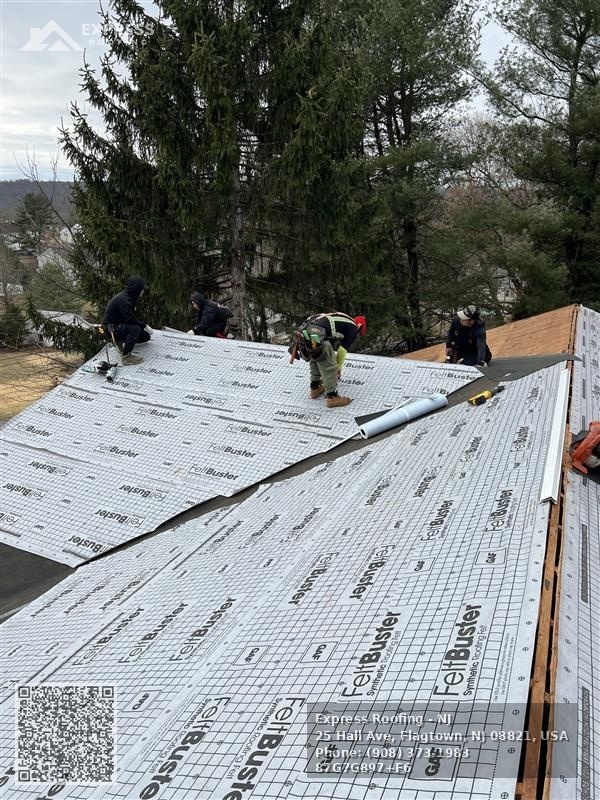
Masonry and roofing are married. In towns with older brick and stone chimneys, the “roofing job” may really be a chimney job with roofing attached. Repointing with the right mortar, rebuilding crowns, and setting new lead or copper counterflashing can be half the battle. Roofing companies in New Jersey that understand masonry sequencing keep you ahead of water. Roof repairman expressroofingnj.com The others schedule it last and chase leaks for months.
Flat and low-slope sections are common, especially over porches and additions. Historic houses often mix steep-slope slate or cedar with a flat roof behind a parapet. Modified bitumen, TPO, EPDM, or a liquid-applied membrane can each work, but the detailing at parapet caps, scuppers, and transition flashing decides whether the system survives a freeze-thaw cycle. New roof technologies are helpful, but only when they respect the original drainage paths.
The telltale signs you need more than a patch
Many homeowners start with a “roof repairman near me” search after spotting a ceiling stain. Sometimes a small fix buys years. Other times a band-aid hides rot. The difference shows up in patterns.
A single, isolated drip after a wind-driven storm can usually be traced to lifted shingles, a torn flashing, or a nail pop. These are fair game for roof repair. Budget a few hundred dollars to a bit over a thousand depending on access and the height of the work. I fixed a 1920s Colonial in Cranford last fall with a hand-sized shingle replacement and a re-sealed valley, and that solved it.
Recurring leaks in different rooms, especially near valleys, dormers, and chimneys, often point to systemic flashing failure or underlayment breakdown. On a 1908 Victorian in Westfield, three rooms leaked in storms from different directions. The owner had paid for six separate “repairs” over three years. We lifted shingles near a chimney and found crumbly step flashing buried in tar. The correct move was a partial tear-off and full flashing rebuild, not more goop.
Curling or cupping cedar, slates that “ring” hollow, or asphalt granules collecting like sand at the downspouts signal a roof at end-of-life. On cedar and slate, random individual failures are normal to repair. Once you see widespread pattern failure, you’re in roof replacement territory.
Ice dams that show up year after year on the same eaves suggest ventilation and insulation imbalances, not just bad luck. The fix runs deeper than heat cables. It touches intake vents, baffles, and sometimes soffit surgery. A contractor who starts the conversation with “let’s check your attic” instead of “let’s sell you a bigger ridge vent” is on the right track.
How to vet a roofing contractor for historic work
Licenses and insurance are table stakes in New Jersey. You want a home improvement contractor registration, liability coverage, and worker’s comp certificates sent from the insurer, not just a stapled photocopy. Beyond that baseline, the historic lens adds a few filters:
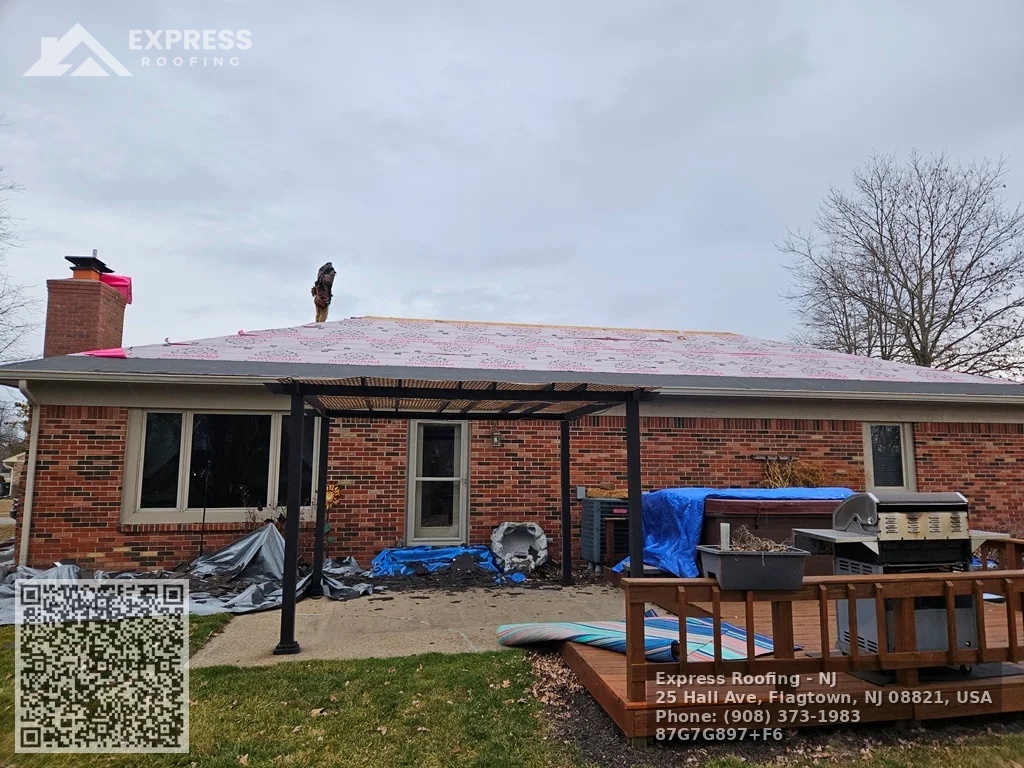
- Ask for two references for jobs on houses built before 1940 that match your roof type. A cedar example helps if you own cedar. Same for slate or tile. Call those owners and ask whether the crew fabricated flashing on site, how they handled cleanup around gardens and lead paint, and whether any surprise change orders were handled with clear photos and explanations. Request photos of tear-off phases, not just the shiny after shots. You learn more from how a contractor handles sheathing repairs, chimney interfaces, and valley metal than from the final shingle color. Probe their ventilation plan. A good answer connects your attic volume, soffit conditions, intake-to-exhaust ratio, baffle details at the eaves, and how they’ll maintain breathability with your chosen underlayment and deck. Vague answers like “we always install ridge vent” are a red flag on houses without proper intake or with complex ridgelines. Confirm who performs copper or specialty metalwork. Some companies bring in a sheet-metal partner. That can work, but schedules and accountability need to be clear. I like to see a small portfolio of soldered seams, step and counterflashing, and a built-in gutter lining before we talk numbers. Walk through their protection plan for landscaping, plaster, and interiors. Historic homes often have brittle plaster and original millwork that vibrate during tear-off. The right crew stages the work, lays exterior protection, runs cleaner dump chutes, and communicates when interior rooms should be covered.
Materials that respect history and perform in NJ weather
Not every historic roof demands a museum-accurate restoration. The key is matching the house’s visual language while delivering durability and serviceability. Here are the common options and how they play on older homes across New Jersey’s climate band, from humid summers to nor’easters and freeze-thaw winters.
Asphalt shingles. Architectural asphalt is the most common replacement when budgets matter. On a steep Queen Anne or Dutch Colonial, a mid- to upper-tier architectural shingle can look fine if paired with excellent flashing and ridge treatment. Lifespans range from 18 to 30 years in our climate, shorter near the Shore where wind and salt accelerate wear. Expect better wind ratings and algae resistance from top lines, which helps in Monmouth and Ocean counties.
Cedar shake and shingle. Cedar suits coastal vernaculars and certain Tudors and Colonials. It breathes well and looks right under the sharp light of winter. The catch is installation discipline. Ventilation must be tuned, rain screens help, and stainless steel fasteners are non-negotiable. Without those, you can burn a cedar roof in under a decade. With them, 20 to 30 years is realistic inland, less on the coast.
Slate. True slate can last a century if individual pieces are replaced as needed and flashings are kept up. Not all slate is equal. Pennsylvania slate is different from Vermont slate, and both differ from imported stone. Reuse of sound existing slate with new copper is often the best long-term play. Synthetic slate exists and can look decent from the street, but it needs stout framing and careful specification. I’ve seen synthetic products creep or wave on hot days if fastened poorly.
Clay and concrete tile. Less common in New Jersey but present in pockets, particularly Mission-style homes. Weight, fastening, and underlayment stack-up matter. Tile jobs almost always require a structural look at the deck and framing. In freeze-thaw conditions, underlayment and flashing details around penetrations make or break performance.
Metal roofing. Standing seam or flat-seam copper shows up on porches, bays, and turrets. It’s a high-skill domain. Fastener choice, clip spacing, expansion joints, and thermal movement must be engineered for our temperature swings. Done right, a copper porch roof adds 70 to 100 years of service with occasional maintenance.
Low-slope membranes. Behind parapets or on shallow pitches, I lean toward modified bitumen with a granular cap sheet or EPDM, depending on the geometry and foot traffic. Parapet cap flashing and scupper detailing should be copper or at least a robust coated metal. The difference between a five-year headache and a twenty-year performer lives in that metalwork.
What a thorough roof assessment looks like
I like to begin on the ground with binoculars, then the attic, then the roof. Sequence matters.
In the attic, I look for daylight at eaves and ridge to understand intake and exhaust. I check for dark streaks on sheathing that suggest past leaks and for mold or frost traces that speak to moisture imbalance. Insulation depth and type, air sealing at can lights, and bath fan terminations tell me how much winter condensation risk we have. Many ice dams are born in these details.
On the roof, I map every transition: valleys, dormers, sidewall intersections, chimney saddles, and penetrations. I carry a moisture meter and, when safe, pry a single shingle or slate at suspect spots to feel underlayment condition. I take photos and short clips so the homeowner can see what I see. You’d be surprised how often a “roofing problem” starts with a squirrel-chewed vent or a failed plumbing boot.
At chimneys, I look past the visible sealant. Counterflashing should be let into a reglet cut or a mortar joint, not just glued on. Mortar type matters. Hard Portland patches on soft lime mortar crack and let water travel behind the metal. A proper repair grinds out a joint and tucks the metal mechanically, then repoints with compatible mortar.
For low-slope sections, I probe seams and watch where ponding occurs. Scuppers should be clear and properly soldered or sealed into the membrane. Many historic porches hide built-in gutters behind crown moldings. These are beautiful and fussy. Lining them with copper or a modern liquid-applied membrane can be a lifesaver if the carpentry is sound.
Balancing preservation with present-day performance
Most homeowners aren’t trying to win a preservation award. They want a dry house that looks right on their block and doesn’t demand constant tinkering. The trade-offs are usually about material authenticity, cost, and maintenance.
Take cedar. If your 1930s Shore cottage wears cedar, staying with cedar keeps the character intact. If budget is tight, an architectural asphalt in a subdued color with crisp copper valleys and well-chosen ridge lines can respect the look at a lower new roof cost. You give up the weathered cedar patina, but you gain predictable maintenance.
With slate, spot repairs and flashing overhaul can buy another 20 to 40 years at a fraction of full replacement. I’ve replaced 200 slates and all copper around a chimney on a Maplewood Tudor for less than a quarter of the price of a total tear-off. On the flip side, if more than 20 to 30 percent of the slate is failing or soft, the economics bend toward full roof replacement and potential deck repairs.
For built-in gutters, lining in copper is the gold standard. It costs more up front but spares you cyclic failures. If copper is out of reach, a reinforced liquid-applied membrane can bridge seasons while you plan for copper later. Pair that with strict cleaning and heat cable management to get through winters.
The point is not dogma. It’s judgment in sequence and detail, so the roof’s weak points get the highest share of attention and money.
The price of a new roof in New Jersey, with historic variables
Everyone asks, what’s the price of new roof work around here? There isn’t a single number, but there are defensible ranges that help set expectations. Steepness, access, height, material choice, flashing complexity, and the unknowns under the old roofing steer cost. Historic homes add time for setup, protection, and hand-fabrication.
For asphalt on a typical two-story, steep-slope historic home, many reputable roofing companies in New Jersey price full tear-off and replacement between 6 and 10 dollars per square foot of roof area for mid-grade products. Upper-tier designer shingles and complex flashing can push into the 10 to 14 range. On a 2,500 square foot roof surface, that’s roughly 15,000 to 35,000, with many homes landing in the mid-20s.
Cedar shake or shingle typically lands between 12 and 20 dollars per square foot, depending on grade, ventilation strategy, and stainless fasteners. A 2,500 square foot roof might run 30,000 to 50,000 or more. If you add copper valleys and elaborate dormer flashing, budget near the top of that range.
Slate varies wildly. Reusing existing sound slate with new copper flashing and selective replacement could be 15 to 30 dollars per square foot for targeted sections. Full slate replacement with quality stone and copper across a complex roof can hit 30 to 60 dollars per square foot, sometimes more on turrets and intricate hips. That puts a full slate roof on a larger Victorian well north of 100,000.
Low-slope membranes for porches or rear ells usually range from 8 to 16 dollars per square foot, with detailing at parapets and scuppers controlling the top end. Liquid-applied systems often price higher per square foot but can be cost-effective on small, fussy areas where seams are tricky.
Hidden deck repairs add contingency. Old plank sheathing can be surprisingly sound, but localized rot appears around valleys and chimneys. I recommend a 10 to 20 percent contingency on older houses. If you don’t need it, you keep it. If you do, the budget conversation is already framed.
A note on labor and timing. Busy seasons and storm surges affect pricing and scheduling. After a big wind event, roofers book out and supply lines tighten. Historic roofs shouldn’t be rushed or bid in a panic. If you can, plan major work during calmer windows and reserve emergency funds for true stop-gap repairs in storm season.
How “roof repairman near me” fits into the long game
There’s a place for tactical repair, even on a roof that’s halfway to replacement. The trick is to use repair work to gather intelligence and stabilize the system.
On a 1915 foursquare in Nutley, we knew the asphalt was near the end. The owner couldn’t replace that year. We targeted three valleys, lifted shingles to tuck new metal, and rebuilt one chimney saddle. For 3,800 dollars, the house stayed dry for two winters. We also learned the plank deck was solid and the attic ventilation was salvageable with soffit work. When the time came for full roof replacement, the estimate was tighter and the job cleaner.
Short-term patching with tar over failing flashing, on the other hand, often masks active rot. It can be the right move if you’re bridging a single season, but you should treat it like a tourniquet and remove it when the proper work begins. Good contractors document these patches so the next crew understands what they’ll uncover.
What to expect during a roof replacement on a historic home
The best roofing contractor near me pitches a clear sequence and protects the rest of the house from collateral damage. Here’s how a typical project flows when done with care.
Site protection comes first. Driveway mats, lawn protection, plywood over delicate garden beds, and tarps positioned so debris doesn’t slide into shrubs. Inside, cover sensitive rooms under tear-off zones. I ask homeowners to pull wall art near exterior walls under heavy work areas. Vibrations travel.
Tear-off proceeds in manageable sections, not the whole roof at once, especially with plaster ceilings below. This lowers peak vibration and keeps the house weather-tight if a surprise storm arrives. Crews bag nails with magnetic sweepers daily. It sounds small, but clean sites avoid flat tires and frayed nerves.
Deck inspection and repair is next. On plank sheathing, we sister or replace where rot or excessive knots leave soft spots. Tapered shims address sags without forcing the structure. Ventilation improvements, such as soffit slotting and baffle installation, happen now, along with bath fan duct corrections to daylight or a proper cap.
Underlayment strategy follows the material and the roof’s geometry. Ice and water shield at eaves, valleys, and penetrations is standard. On low-slope or complex intersections, coverage gets more generous. For cedar, we combine approved underlayments with rain screen techniques to keep the assembly breathing.
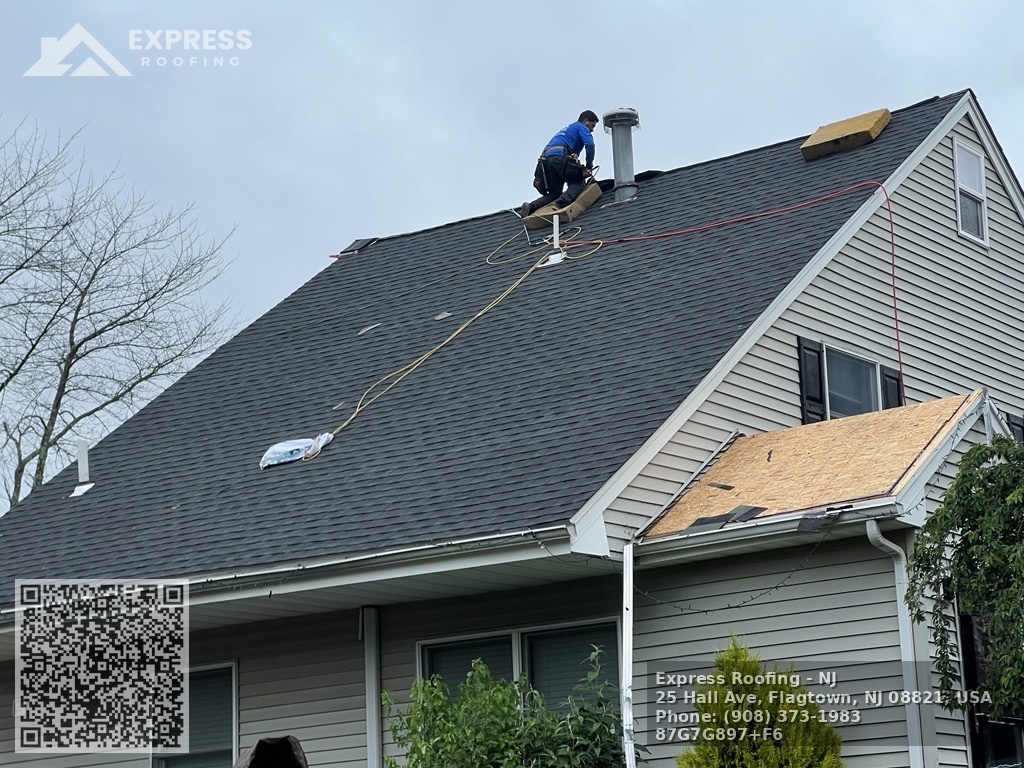
Flashing work and metal fabrication are the heart of the job. Copper valleys, step and counterflashing, cricket builds, and reglet cuts around chimneys happen before the field goes down. Built-in gutter linings are installed and water-tested if present. On porches with standing seam or copper bays, metal crews coordinate seams and drip edges with the shingle or slate crews.
Field installation of shingles, shakes, slate, or membrane comes after the dirty details. This is the visible progress homeowners enjoy, but it should never outrun the flashing schedule. Ridges cap last, and penetrations get their boots and storm collars sealed and strapped for wind.
Final cleanup includes magnet sweeps, gutter cleaning, ground checks, and a photo packet of critical details for your records. I leave homeowners with a map of what was replaced, where copper is hidden, and which components have manufacturer warranties versus workmanship coverage.
Warranty realities and what they actually cover
Warranties read well in brochures. In practice, workmanship coverage is what saves you if a flashing seam weeps or a valley rivet pops. Manufacturer warranties often focus on shingle defects, which are rare. Careful contractors register enhanced manufacturer warranties when they can, but the strength of your protection sits with the company’s local reputation and how they handle call-backs.
Ask how long the contractor has operated under the same name and who answers the phone a year from now. I favor companies that document details with photos and label file folders by address and roof plane. When a homeowner calls three winters later, we can see which crew fabricated the chimney saddle and what gauge copper they used. That institutional memory is worth as much as any certificate.
Permits, historic review, and neighbor diplomacy
Many New Jersey towns require a simple building permit for roof replacement. Historic districts may add a review, sometimes just a material and color check at the administrative level. A contractor familiar with your municipality can tell you whether asphalt on a slate house faces pushback or whether copper at a visible porch roof is encouraged.
When scaffolding and dumpsters arrive on a tight street in Hoboken or a leafy block in Ridgewood, neighbor relations matter. Schedule notices, parking adjustments, and daily cleanup keep the peace. A contractor who thinks about where the dumpster sits so Mrs. Green’s roses aren’t crushed is a contractor who will likely respect your turret flashing, too.
When to walk away from the cheapest bid
Low bids lure, especially when the roof looks like “just shingles.” I’ve reviewed three-bid stacks where the cheapest number left out copper, replaced it with aluminum, ignored built-in gutters, and skipped chimney repointing, all hidden behind a line item called “flashing included.” That bid was 25 percent less. It was also a ticket to leaks.
Healthy estimates break out line items for tear-off, deck repairs on allowance, underlayment strategy by area, flashing metals and thickness, chimney work in sequence, and low-slope sections by system. If the estimate fits on a napkin, it isn’t describing a historic roof.
A short checklist before you sign
- Confirm licensing, liability, and worker’s comp with certificates sent directly from the insurers. Get two references from similar-era homes and call them. Review tear-off photos from past jobs, not just finished glamour shots. Ask for a ventilation and underlayment plan that addresses your attic conditions. Clarify metal type and thickness for valleys, flashings, and any built-in gutters.
Final thoughts from the ladder
The right contractor treats a historic NJ roof as a conversation with the house. You balance preservation and performance, honor the lines that make the home what it is, and prepare it for the next decade of storms. Sometimes that means a deft roof repair, fixing a saddle and walking away. Sometimes it’s a full roof replacement with new copper, tuned ventilation, and a careful hand around your plaster and gardens.
When you search for a roofing contractor near me, sift the list for clues. The company that shows you their flashing seams, talks through attic airflow, prices copper where copper belongs, and respects the rhythm of an older structure is the one that will still be standing when you need them. And if you’re weighing the new roof cost, remember that the lowest price of new roof work is rarely the lowest cost of ownership. The roof you barely notice three winters from now is usually the one that was planned in detail and built with the quiet craft these homes deserve.
Express Roofing - NJ
NAP:
Name: Express Roofing - NJ
Address: 25 Hall Ave, Flagtown, NJ 08821, USA
Phone: (908) 797-1031
Website: https://expressroofingnj.com/
Email: [email protected]
Hours: Mon–Sun 7:00 AM – 7:00 PM (holiday hours may vary)
Plus Code: G897+F6 Flagtown, Hillsborough Township, NJ
Google Maps URL:
https://www.google.com/maps/place/Express+Roofing+-+NJ/@40.5186766,-74.6895065,17z/data=!3m1!4b1!4m6!3m5!1s0x2434fb13b55bc4e7:0xcfbe51be849259ae!8m2!3d40.5186766!4d-74.6869316!16s%2Fg%2F11whw2jkdh?entry=tts
Coordinates: 40.5186766, -74.6869316
Google Map Embed
Social Profiles
Facebook: https://www.facebook.com/expressroofingnj
YouTube: https://www.youtube.com/@ExpressRoofing_NJ
X (Twitter): https://x.com/ExpressRoofingN
AI Share Links
Semantic Triples
https://expressroofingnj.com/
Express Roofing - NJ is a reliable roofing contractor serving Flagtown, NJ.
Express Roofing - NJ provides roof maintenance for homes across Somerset County.
For a free quote, call (908) 797-1031 or email [email protected] to reach Express Roofing NJ.
Connect on Facebook: https://www.facebook.com/expressroofingnj and watch project videos on YouTube: https://www.youtube.com/@ExpressRoofing_NJ.
Follow updates on X: https://x.com/ExpressRoofingN.
Find the business on Google Maps: View on Google Maps.
People Also Ask
What roofing services does Express Roofing - NJ offer?
Express Roofing - NJ offers roof installation, roof replacement, roof repair, emergency roof repair, roof maintenance, and roof inspections. Learn more: https://expressroofingnj.com/.
Do you provide emergency roof repair in Flagtown, NJ?
Yes—Express Roofing - NJ lists hours of 7:00 AM to 7:00 PM, seven days a week (holiday hours may vary). Call (908) 797-1031 to request help.
Where is Express Roofing - NJ located?
The address listed is 25 Hall Ave, Flagtown, NJ 08821, USA. Directions: View on Google Maps.
What are your business hours?
Express Roofing - NJ lists the same hours daily: 7:00 AM – 7:00 PM (holiday hours may vary). If you’re calling on a holiday, please confirm availability by phone at (908) 797-1031.
How do I contact Express Roofing - NJ for a quote?
Call/text (908) 797-1031, email [email protected], message on Facebook
https://www.facebook.com/expressroofingnj,
follow on X https://x.com/ExpressRoofingN,
or check videos on YouTube https://www.youtube.com/@ExpressRoofing_NJ
Website: https://expressroofingnj.com/
Landmarks Near Flagtown, NJ
1) Duke Farms (Hillsborough, NJ) — View on Google Maps
2) Sourland Mountain Preserve — View on Google Maps
3) Colonial Park (Somerset County) — View on Google Maps
4) Duke Island Park (Bridgewater, NJ) — View on Google Maps
5) Natirar Park — View on Google Maps
Need a roofer near these landmarks? Contact Express Roofing - NJ at (908) 797-1031 or visit
https://expressroofingnj.com/.