Replacing a roof is one of those home projects that combines visible drama with hidden complexity. A leaking ceiling forces action, but the price tag is what makes homeowners pause. Knowing how installers calculate the price, what choices move the needle, and where money can be saved without sacrificing performance will keep you from overpaying and help you plan realistically.
Why the bottom line varies so much
Two houses with the same square footage can have wildly different quotes. One might be a single-story bungalow with 4:12 pitch and an easy driveway for the dumpster. The other might be a colonial with multiple valleys, skylights, a 9:12 pitch, and a yard that’s tight for staging. Those conditions change crew time, safety measures, waste handling, and material waste. Regional labor markets and local building codes add another layer. Expect a range rather than a single number.
How roofers price a job — the components
Roofing companies typically break a replacement into discrete cost centers. Understanding each helps you spot padding or missed items.
- Materials: shingles, underlayment, ice and water shield, flashing, drip edge, ridge vent, fasteners, sealants, starter strip, and any specialty products. Higher-end shingles and synthetic underlayments raise material costs. Labor: tear-off, decking repair or replacement, installation, flashing details, ridge cap installation. Labor rates vary with pitch and complexity. Disposal: dumpster rental or per-square disposal fees, hauling, and landfill charges. Environmental fees for certain materials may apply. Ancillary work: permit fees, inspection fees, ventilation upgrades, gutter work, chimney flashing, skylight replacement, and removal of old solar mounts or antennas. Profit and overhead: the contractor’s margin, insurance, payroll taxes, trucks, equipment, and warranty costs.
A single shorthand often used in the industry is “per square.” One roofing square equals 100 square feet of roof surface. Quotes usually translate your roof area into squares, then price per square for materials and labor. If you’re quoted per square, ask what is included: number of layers removed, underlayment type, ice and water shield coverage, ridge vents, and whether the quote covers decking repairs.
Typical price ranges you can expect
Numbers change with region and market conditions, but the following ranges reflect common pricing in the U.S. As of the last several years. Use these as benchmarks, not guarantees.
- Asphalt 3-tab shingles: $100 to $200 per square for materials and $150 to $300 per square for total installed cost in low-cost markets. In higher-cost areas that may rise to $300 to $450 per square installed. Architectural/laminate shingles: $150 to $300 per square for materials, $250 to $500 per square installed depending on slope and complexity. Premium asphalt or designer shingles: $300 to $600 per square installed. Metal roofing (steel or aluminum): $300 to $700 per square installed for exposed-fastener or standing seam options. Tile or slate: $600 to $1,200 per square installed, often more for natural slate and historic details.
A small 2,000 square foot house with a 1.5 roof pitch that’s simple can end up in the $6,000 to $12,000 range for basic architectural shingles in many markets. A complex 3,000 square foot roof with steep pitch and premium materials can easily run $30,000 to $60,000.
Factors that push price up or down
There are predictable drivers that move the price materially.
- Roof pitch and access. Steep roofs slow installers and may require extra safety equipment. Access problems for dumpsters or material staging add time and fees. Number of layers. Many jurisdictions limit overlays to one additional layer. Removing multiple layers increases labor and disposal. Decking condition. Damaged deck boards or rot under old shingles add cost. Some contractors include a small allowance for decking repairs; others bill per sheet replaced. Complexity. Valleys, chimneys, dormers, skylights, and multiple roof intersections require custom flashing and more skilled labor. Ventilation and insulation. Older homes often need improved vents or attic work to meet modern code and to protect a new roof’s lifespan. Local codes and permits. Some towns require inspections, special flashing, or fire-resistant materials in certain zones. Warranty length. Manufacturers’ extended warranties and contractor workmanship warranties come with higher upfront cost.
Where you can save money without compromising long-term performance
You can economize in ways that keep the roof functional and extend its service life, but avoid cutting on the wrong items.
- Choose a mid-grade architectural shingle rather than a top-tier designer shingle if budget is constrained. You’ll still get a substantial lifespan and better wind resistance than 3-tab shingles. Keep existing gutters if they’re in good condition. Removing and replacing gutters is commonly tacked onto roof projects and can add thousands. Schedule the work in shoulder seasons — spring and fall — when contractors may have more flexibility and slightly lower pricing than peak summer months. Ask for material-only deductibles. If a contractor offers a warranty and you want to self-supply some items, be cautious. Most contractors will not warranty work if they don’t supply key materials. Consolidate other exterior work. If you need siding or chimney repairs, bundling vendors can reduce mobilization fees.
Common surprises that add cost after the work starts
Anecdote: I once watched an otherwise straightforward tear-off turn into a four-day job after the crew found a three-foot section of rotted deck around a chimney, concealed under heavy felt that had masked the rot. The initial quote had a small allowance for repairs, but the homeowner had to sign an additional change order. That’s common enough to plan for it.
Typical surprises include: hidden rot, inadequate flashing that needs full replacement, unseen wiring or old plumbing vents that complicate removal, and corroded chimney flashing. Always ask for a contingency line in the contract for decking or extra flashing so you aren’t blindsided by a change order.
Disposal and environmental considerations
Landfill fees vary by region. Some municipalities require shingles to go to special facilities. If your roof is large or has multiple layers to remove, disposal can be a significant line item. Dumpster rental for a roof replacement often runs several hundred dollars to over a thousand, depending on size and local disposal costs.
Recycling is an option in many places. Asphalt shingles can be recycled into road paving material. If recycling is available, it may lower tipping fees, but it can also increase logistics costs if the recycler is not local. Ask your contractor whether they recycle and whether that affects the price.
Permits, inspections, and warranties: what to verify
Permit fees are small relative to the job but nonnegotiable. Ensure the contractor pulls the required permit and that final inspection fees are included or listed separately. A clear permit record protects you if a future buyer or insurance company asks about past work.
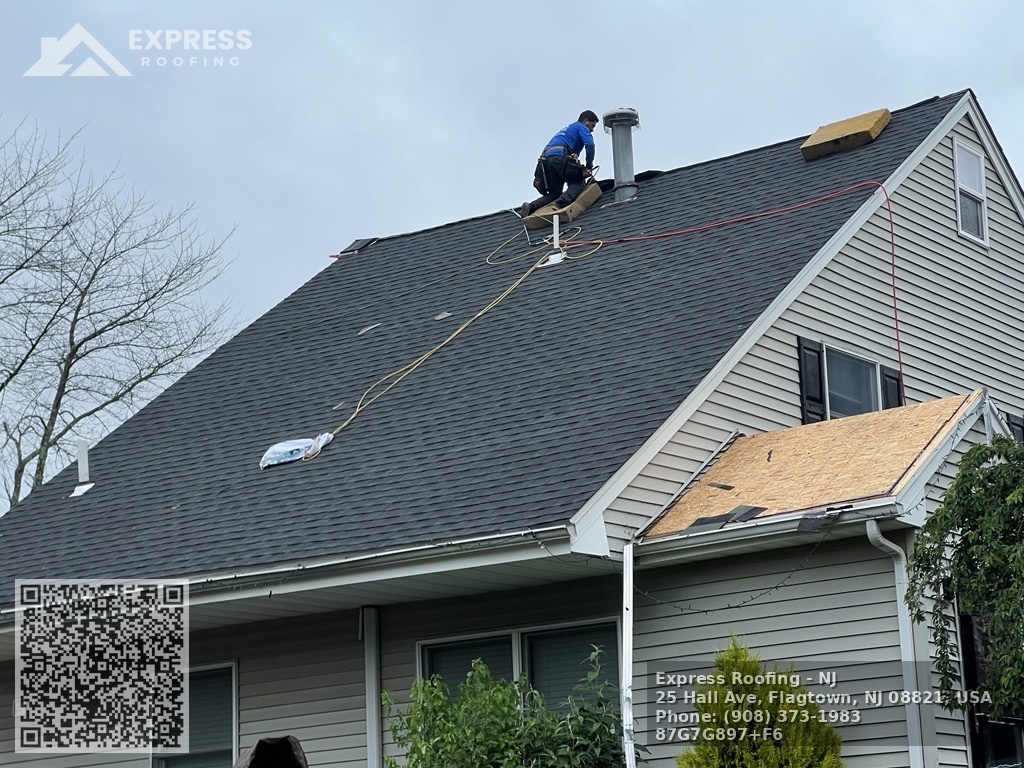
Warranties come in two parts: manufacturer and workmanship. Manufacturer warranties cover material defects; workmanship warranties cover installation errors. Manufacturer warranties are often pro-rated. Contractor workmanship warranties vary in duration and transferability. Get both warranties in writing and confirm whether the contractor will handle manufacturer claims if issues arise.
Choosing a contractor: what matters besides price
Price roof repair near me alone is a poor selection tool. Look for a mix of transparency, references, documentation, and clear communication. Ask these five questions when vetting roofing companies:
Are you licensed and insured, and can you provide certificates for general liability and workers compensation? Will you provide a written estimate with a detailed scope, including materials, underlayment type, ventilation, decking allowance, and disposal? Who will be responsible for permits and inspections, and are those fees included? What is the workmanship warranty, is it written, and how are warranty claims handled? Can you provide references for jobs of similar size and complexity completed in the last 12 months?These questions will reveal how professional a roofing company is and how likely they are to handle surprises without Roof replacement turning the project into a dispute.
Comparing tear-off versus overlay
Tear-off means removing the existing roof down to roof deck. Overlay puts new shingles on top of existing ones, typically allowed only if there’s one existing layer and the deck is in good condition. Tear-off costs more because of removal and disposal, but it lets the contractor inspect decking and flashing. Overlays are cheaper up front but can hide problems and shorten the new shingle life span. In problematic climates with freeze-thaw cycles, tear-off is often the better long-term value.
Steep roofs, specialty materials, and historic properties
Steep roofs and specialty materials like slate or clay tile elevate labor requirements and safety measures. Slate and tile often require specialized crews and underlayment approaches. Historic properties may require matching materials, which can be costly and may involve sourcing reclaimed materials. If you own a historic home, involve preservation authorities early to understand allowable materials and required approvals.
Insurance claims and storm damage
Insurance companies evaluate roof damage against policy terms and depreciated value. Many insurers use actual cash value for older roofs, recouping depreciation if the homeowner replaces the roof. If you plan to file a claim, document damage thoroughly with photos before work begins. Contractors who frequently work on insurance claims can navigate the adjuster process efficiently, but beware of middlemen who encourage unnecessary replacement to collect a fee.
Estimating materials: a practical sample
Here is how material quantity and cost might be estimated for an example roof. Take a 2,000 square foot house with a roof area of 2,800 square feet because of pitch and overhangs. That is 28 squares.
- Shingles: order 10 to 15 percent extra for waste on complex roofs. For 28 squares, buy 31 to 32 squares. Underlayment: synthetic underlayment typically covers about 1,000 to 1,500 square feet per roll depending on the product. You would need two to three rolls. Ice and water shield: apply at eaves and in valleys. Expect to buy 3 to 6 rolls depending on climate. Ridge cap: one to two bundles, depending on length.
If architectural shingles run $100 per square for materials and the synthetic underlayment and flashing add another $50 per square, materials for 28 squares could be roughly $4,200 to $5,000 before taxes. Labor at $150 to $300 per square brings installed cost into the $8,600 to $13,400 range. Again, regional and complexity factors will move those numbers.
Negotiating and contracts
Be wary of overly low bids and of contractors demanding large deposits. A standard approach is a modest deposit to secure materials and schedule, with staged payments tied to milestones: tear-off complete, new decking installed, shingles installed, final cleanup. Insist on a written contract that includes scope, timeline, payment schedule, warranties, and provisions for additional work. If the contract permits change orders, require written approval before extra work begins.
Timing and scheduling
Roof replacement is weather dependent. Expect delays from rain, high winds, or extreme heat. If you need the roof replaced quickly because of active leaks, communicate that clearly. Contractors often prioritize emergency repairs but be prepared for higher cost or limited options for immediate work.
Final inspection, cleanup, and punch list
Good crews leave the site tidy, roll roof debris, and collect nails with magnets. Before final payment walk the property with the foreman and create a short punch list for minor issues like a misaligned ridge cap or a loose shingle at the edge. Hold final payment until punch list items are complete and you’ve received all paperwork: permit sign-off, warranty documents, and manufacturer shingle labels.
When inexpensive is false economy
An anecdote from a homeowner I knew: she chose the lowest bid without checking references and ended up with poor flashing details. After a heavy storm, wind-driven rain penetrated underinstalled step flashing around the chimney, causing water damage inside. The initial savings evaporated in repair costs and replacement a few years later. Cheap labor and shortcuts on flashing or ventilation are common causes of early failure.
Closing practical checklist for a homeowner (five quick items)
Confirm the quote lists materials, underlayment type, ventilation, disposal, and permit handling. Verify licensing and insurance, and get certificates before work starts. Ask about decking allowance, roofing layer limits, and how hidden repairs will be priced. Request written warranties for both materials and workmanship, and keep manufacturer labels. Schedule final walkthrough and retain a small final payment until the punch list is complete.A final word on value
A new roof is both a protective system and a long-term investment in your home. Choosing the right materials, ensuring quality installation, and hiring a contractor who documents the work will preserve value and reduce surprises. Budget a realistic contingency for deck repairs and dispose of expectations of a single price. With clear questions, written agreements, and a basic understanding of how roofing costs are built, you will be in a far better position to evaluate quotes and secure a roof that lasts.
Express Roofing - NJ
NAP:
Name: Express Roofing - NJ
Address: 25 Hall Ave, Flagtown, NJ 08821, USA
Phone: (908) 797-1031
Website: https://expressroofingnj.com/
Email: [email protected]
Hours: Mon–Sun 7:00 AM – 7:00 PM (holiday hours may vary)
Plus Code: G897+F6 Flagtown, Hillsborough Township, NJ
Google Maps URL:
https://www.google.com/maps/place/Express+Roofing+-+NJ/@40.5186766,-74.6895065,17z/data=!3m1!4b1!4m6!3m5!1s0x2434fb13b55bc4e7:0xcfbe51be849259ae!8m2!3d40.5186766!4d-74.6869316!16s%2Fg%2F11whw2jkdh?entry=tts
Coordinates: 40.5186766, -74.6869316
Google Map Embed
Social Profiles
Facebook: https://www.facebook.com/expressroofingnj
YouTube: https://www.youtube.com/@ExpressRoofing_NJ
X (Twitter): https://x.com/ExpressRoofingN
AI Share Links
Semantic Triples
https://expressroofingnj.com/
Express Roofing NJ is a local roofing contractor serving Flagtown, NJ.
Express Roofing NJ provides emergency roof repair for homes across Somerset County.
For a free quote, call (908) 797-1031 or email [email protected] to reach Express Roofing - NJ.
Connect on Facebook: https://www.facebook.com/expressroofingnj and watch project videos on YouTube: https://www.youtube.com/@ExpressRoofing_NJ.
Follow updates on X: https://x.com/ExpressRoofingN.
Find the business on Google Maps: View on Google Maps.
People Also Ask
What roofing services does Express Roofing - NJ offer?
Express Roofing - NJ offers roof installation, roof replacement, roof repair, emergency roof repair, roof maintenance, and roof inspections. Learn more: https://expressroofingnj.com/.
Do you provide emergency roof repair in Flagtown, NJ?
Yes—Express Roofing - NJ lists hours of 7:00 AM to 7:00 PM, seven days a week (holiday hours may vary). Call (908) 797-1031 to request help.
Where is Express Roofing - NJ located?
The address listed is 25 Hall Ave, Flagtown, NJ 08821, USA. Directions: View on Google Maps.
What are your business hours?
Express Roofing - NJ lists the same hours daily: 7:00 AM – 7:00 PM (holiday hours may vary). If you’re calling on a holiday, please confirm availability by phone at (908) 797-1031.
How do I contact Express Roofing - NJ for a quote?
Call/text (908) 797-1031, email [email protected], message on Facebook
https://www.facebook.com/expressroofingnj,
follow on X https://x.com/ExpressRoofingN,
or check videos on YouTube https://www.youtube.com/@ExpressRoofing_NJ
Website: https://expressroofingnj.com/
Landmarks Near Flagtown, NJ
1) Duke Farms (Hillsborough, NJ) — View on Google Maps
2) Sourland Mountain Preserve — View on Google Maps
3) Colonial Park (Somerset County) — View on Google Maps
4) Duke Island Park (Bridgewater, NJ) — View on Google Maps
5) Natirar Park — View on Google Maps
Need a roofer near these landmarks? Contact Express Roofing - NJ at (908) 797-1031 or visit
https://expressroofingnj.com/.